Tesla, Codelco, and the New EV Lithium Diplomacy: Why Automakers Are Going Straight to the Source
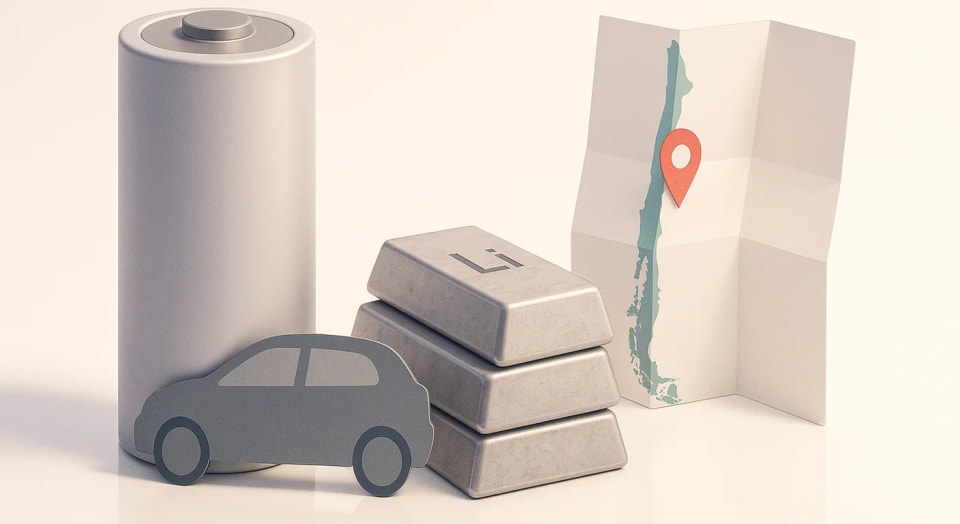
Somewhere in the high-altitude salt flats of northern Chile, the future of electric vehicles is being negotiated. Reports emerged this year that Tesla has been in direct talks with Codelco, Chile's state-owned mining giant, about securing lithium supply. If a deal comes together, it would be one of the most significant upstream moves by a major automaker in recent memory. And it would confirm what industry analysts have been saying for years: the EV race is no longer just about who builds the best car. It's about who controls the minerals inside it.
Why Lithium, Why Now
Lithium is the essential ingredient in lithium-ion batteries, and demand for it is accelerating faster than most projections predicted even five years ago. Global lithium demand is expected to grow roughly six-fold by 2030, according to the International Energy Agency. Supply, meanwhile, has struggled to keep pace. Prices spiked dramatically in 2022, with lithium carbonate hitting nearly $80,000 per metric ton in China before cooling back down through 2023 and into 2024. That kind of volatility is brutal for automakers trying to plan production costs years in advance.
The natural response from car companies has been to move upstream. Rather than buying battery cells from suppliers who buy cathode materials from processors who buy raw lithium from miners, automakers want to compress that chain. Signing long-term supply agreements directly with miners, or better yet with state-owned producers who have massive reserves and government backing, gives them price stability and supply security that the open market simply cannot guarantee.
Codelco Is a Bigger Deal Than It Sounds
Most people know Codelco as the world's largest copper producer, a company that has been central to Chile's economy for over 50 years. But Chile also holds the world's largest known lithium reserves, roughly 9.3 million metric tons according to the U.S. Geological Survey, concentrated primarily in the Atacama region. For decades, lithium extraction in the Atacama was dominated by two private players: Albemarle (American) and SQM (Chilean, though with significant Chinese investment).
That changed when Chilean President Gabriel Boric announced in April 2023 a national lithium strategy that would bring state control to future lithium projects. Codelco was designated to lead public-sector lithium development. This wasn't nationalization in the dramatic sense, but it was a clear signal that Chile intends to capture more value from its resources domestically, not just export raw material for others to process and profit from.
For Tesla, talking directly to Codelco makes strategic sense on multiple levels. A deal with a state-backed miner comes with implicit political stability. It also positions Tesla favorably within Chile's evolving regulatory framework, potentially getting ahead of competitors who might find the door less open later.
Tesla's Upstream Strategy Is Not New, Just Accelerating
Tesla has been trying to secure raw material supply for years. In 2020, the company signed a deal with Piedmont Lithium for spodumene from North Carolina. Elon Musk has repeatedly talked about Tesla potentially acquiring a mining company outright. The company has also been experimenting with direct lithium extraction technology and reportedly acquired rights to lithium clay deposits in Nevada.
What's different now is the scale and the geopolitical dimension. The U.S. Inflation Reduction Act created powerful incentives for EVs assembled in North America using battery materials sourced from allied countries or domestic suppliers. Chile, as a U.S. free trade agreement partner, qualifies under those provisions. A Tesla-Codelco deal could help Tesla's vehicles meet IRA sourcing requirements, unlocking federal tax credits for buyers. That's not just a supply chain move; it's a tax strategy worth potentially billions of dollars across a vehicle fleet.
The Broader Pattern Across the Industry
Tesla isn't alone in pursuing this kind of mineral diplomacy. General Motors signed a deal with Lithium Americas for material from the Thacker Pass project in Nevada. Stellantis invested in Vulcan Energy Resources, which is developing lithium extraction projects in Germany. Ford partnered with Ioneer for lithium from Nevada's Rhyolite Ridge project. BMW has been sourcing lithium directly from Livent (now part of Arcadium Lithium after a merger with Allkem).
The pattern is consistent: major automakers are writing checks early, often to projects that haven't produced a single ton of commercial lithium yet, because waiting for the spot market is now considered unacceptably risky. The era of just-in-time mineral supply is over for the auto industry.
State-owned miners add a particular wrinkle to this dynamic. When a government is your supplier, contract negotiations involve diplomatic considerations that go beyond price per ton. Chile wants processing facilities built domestically. Indonesia has periodically threatened export bans on nickel to push battery manufacturing onshore. Argentina's lithium-rich provinces have their own royalty regimes and political dynamics separate from the federal government. Automakers now need teams that understand international resource policy as well as they understand metallurgy.
What This Means for Battery Prices and EV Affordability
Here's where it gets genuinely complicated for consumers. Long-term supply agreements with state miners can reduce volatility, which is good. But they can also lock in above-market prices if lithium spot prices fall, which has actually been happening lately. Lithium carbonate prices dropped sharply through 2023, falling roughly 80 percent from their 2022 peak, partly due to slower-than-expected EV adoption in some markets and a surge in Chinese supply.
An automaker that locked in a five-year deal at 2022 prices is now paying a premium over the spot market. That's the cost of certainty. Over a long enough horizon, most analysts still expect lithium demand to outpace supply significantly, which means today's lower prices are likely a temporary reprieve rather than a new normal. The automakers making upstream deals now are betting on that trajectory being correct.
For consumers, the downstream effect is indirect but real. Battery costs represent roughly 30 to 40 percent of an EV's total manufacturing cost. Any meaningful reduction in battery material costs, or any protection against future spikes, eventually flows through to vehicle pricing. The EV brands that manage their material costs most effectively over the next decade will have a structural pricing advantage that could determine market share as much as software features or charging networks do.
The Geopolitical Stakes Are High
China currently dominates the battery supply chain at nearly every stage downstream of mining. Chinese companies control a majority of global lithium chemical processing capacity, dominate cathode and anode manufacturing, and produce the largest share of battery cells worldwide. Western automakers and governments have been urgently trying to build alternative supply chains, and mineral deals with Latin American state producers are a central piece of that effort.
The U.S., European Union, and Japan have all been competing to sign critical mineral partnership agreements with lithium-rich countries. Chile, Argentina, and Bolivia together hold what's known as the "Lithium Triangle," accounting for an estimated 60 percent of global lithium reserves. Getting preferential access to those reserves, or at least ensuring China doesn't lock them up first, has become a genuine foreign policy priority.
When Tesla negotiates with Codelco, it's not just a corporate supply deal. It carries the implicit backing of U.S. trade policy, IRA incentives, and a broader strategic interest in diversifying the battery supply chain away from Chinese dominance. Chilean officials understand this leverage very well and are using it to extract better terms, including commitments to local processing, technology transfer, and employment.
What Comes Next
The specifics of any Tesla-Codelco agreement haven't been publicly confirmed, and negotiations of this type can drag on for years or collapse entirely. But the fact that they're happening at all reflects a structural shift in how the auto industry operates. Car companies used to leave raw material procurement to suppliers. Now they're hiring geologists, political risk analysts, and trade lawyers.
Whoever locks in the best mineral relationships over the next three to five years will be positioned to build batteries cheaper, faster, and with less exposure to the kind of supply disruptions that derailed manufacturing across industries during the pandemic. The companies that treat mineral access as an afterthought will face the consequences when the next demand surge hits and spot prices spike again.
The salt flats of the Atacama are a long way from a Tesla showroom in California. But what gets negotiated there will show up in the sticker price, the range estimate, and the availability of the EVs that consumers will be shopping for through the 2030s. Lithium diplomacy sounds abstract until you realize it's the reason your next electric car costs what it does.